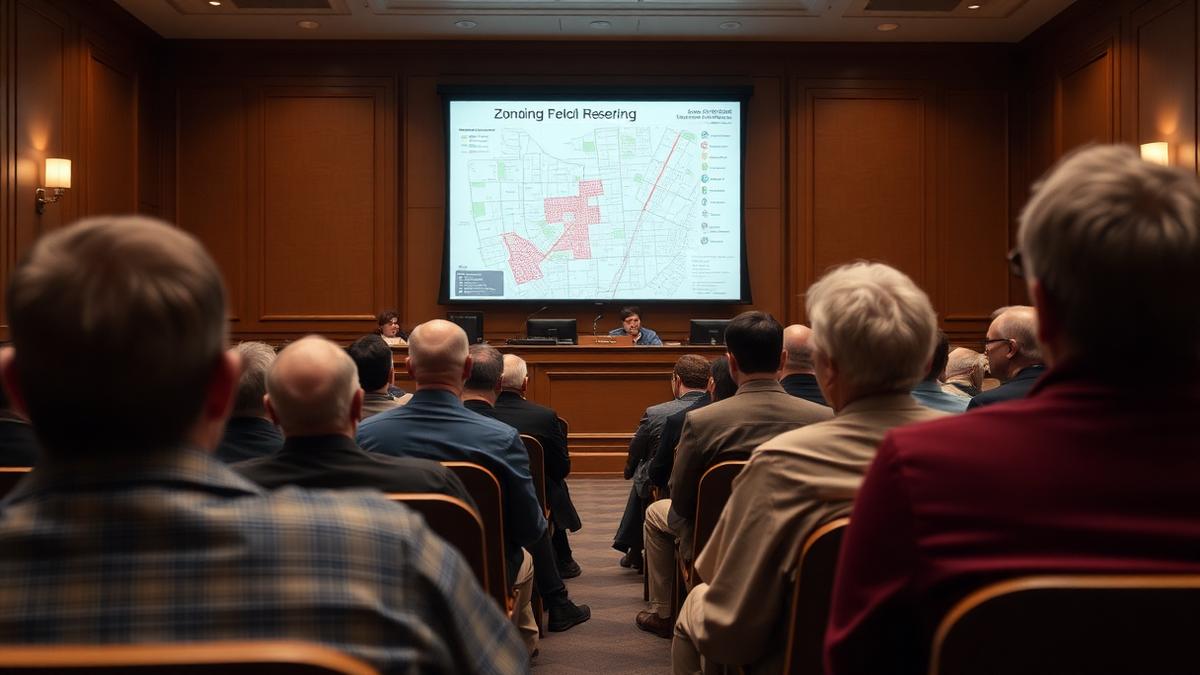
Demand for housing in the St. Cloud region has not been the constraint. Buildable, served, appropriately zoned land has been. That is why CMBA tracks the development pipeline as closely as it tracks the fee schedules and rezoning dockets that govern it.
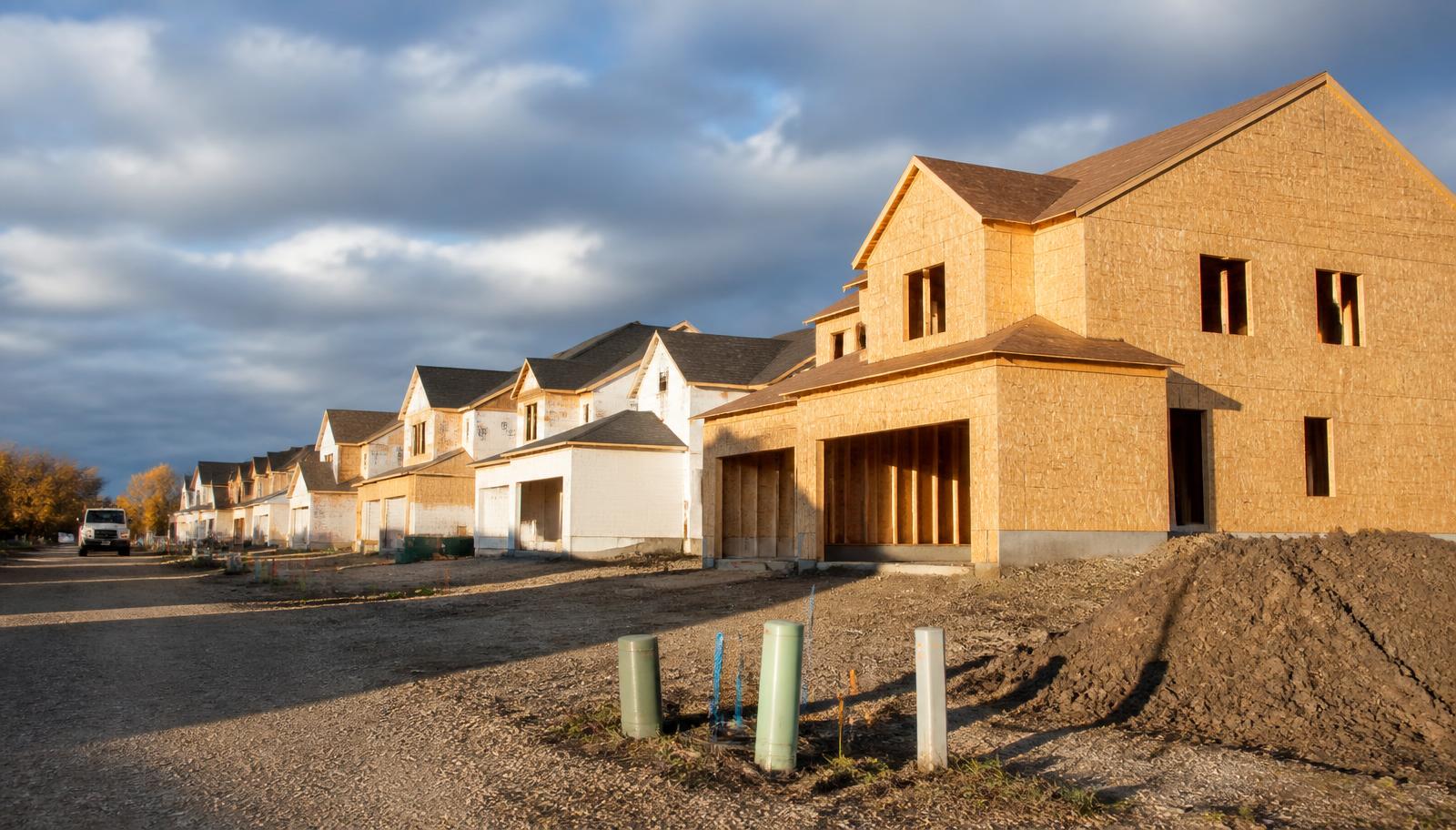
The current cycle is defined by a shift in product mix. Detached single-family is still the volume leader, but townhome and twin-home starts are taking a visibly larger share as builders respond to buyers priced out of new detached construction and to empty-nesters looking to stay in the community without the maintenance.
Infrastructure sequencing is the pinch point. Several approved plats are waiting on trunk utility extensions, and the timing of those public projects effectively sets the delivery date for hundreds of units. CMBA continues to advocate for capital improvement plans that are published far enough ahead for private development to align with them.
Workforce remains the other limiter. Members across framing, mechanical and finish trades report that crew availability, not order books, determines how many homes they can start. CMBA's workforce development work — including trade school partnerships and job-site tours for students — is aimed squarely at that gap.
For members, the practical takeaway is to engage early. Comment on capital improvement plans before they are adopted, not after a project is delayed by them.